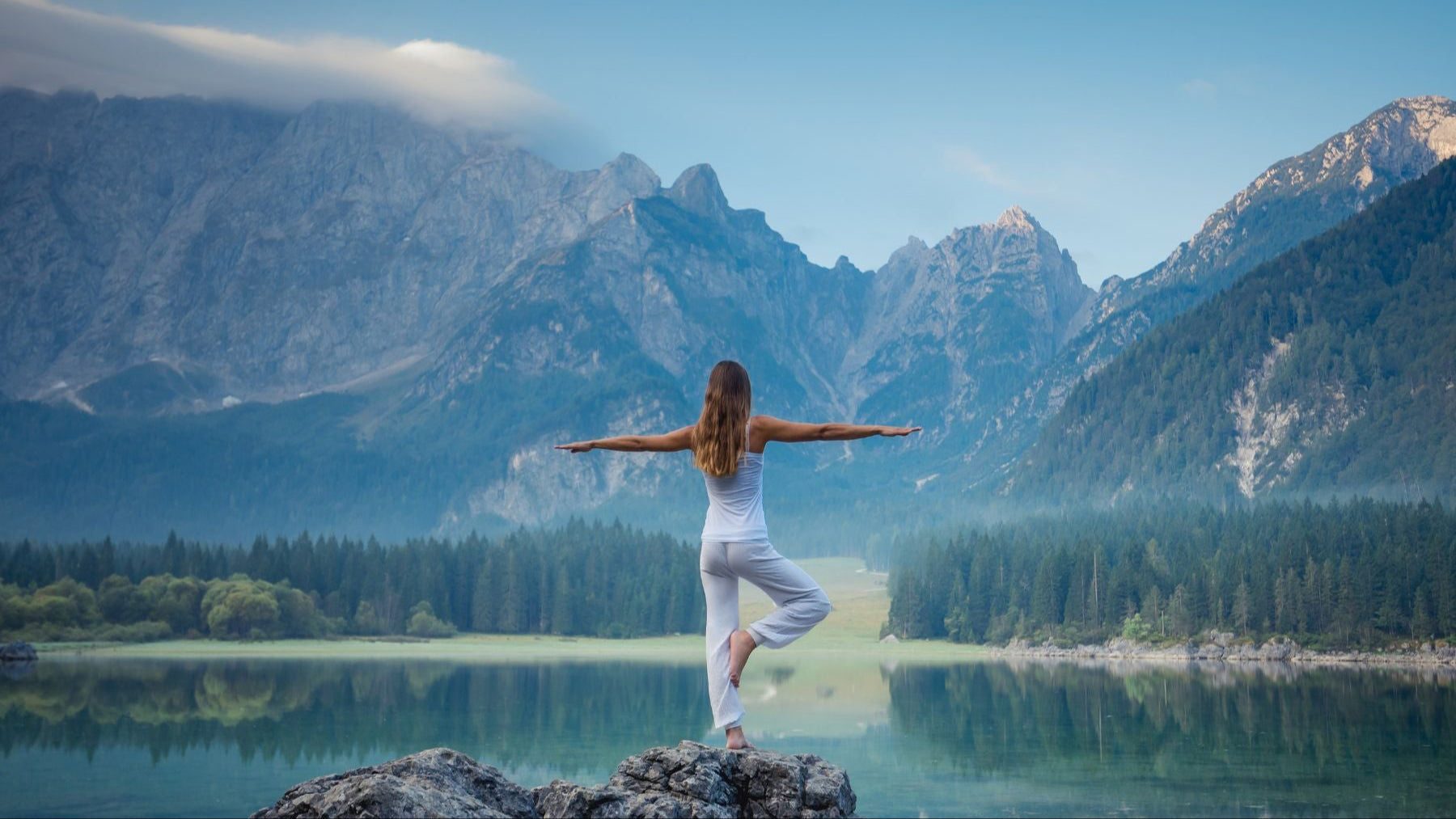

Bikram Yoga has a reputation that precedes it. Known for its heated rooms, set sequence of postures, and almost ritualistic approach, this style is not for the faint-hearted. But beneath the sweat, the strictness, and the challenge lies a practice designed to detoxify, strengthen, and transform both body and mind.
For some, Bikram is about physical endurance—the ultimate workout in high heat. For others, it’s a moving meditation, a structured way to train discipline and focus. And for many, it’s simply a way to step into the fire and come out renewed.
So, what exactly is Bikram Yoga, and why has it captivated—and sometimes divided—the yoga world? Let’s dive into its history, structure, benefits, and the very real experience of practicing yoga at 40°C (104°F).
What Is Bikram Yoga?
Bikram Yoga was developed in the 1970s by Bikram Choudhury, who systematized a specific sequence of 26 postures and two breathing exercises. The practice is always done in a heated room, set to about 40°C (104°F) with 40% humidity.
The idea behind the heat is twofold:
-
To warm the muscles quickly, making it easier to stretch and reduce injury risk.
-
To induce intense sweating, which practitioners believe aids detoxification and cleansing.

Unlike other styles of yoga that allow for variation, creativity, or free-flowing sequencing, Bikram is rigid by design. Each class follows the same sequence, taught in the same order, lasting 90 minutes. The predictability is part of its power—you know what’s coming, yet the heat makes every practice feel new.
The 26 Postures and 2 Breathing Exercises
Bikram Yoga always includes:
-
Standing Deep Breathing (Pranayama) – Opening the lungs and oxygenating the body.
-
Half Moon Pose with Hands to Feet Pose – Stretching and strengthening side body, spine, and legs.
-
Awkward Pose – Building strength in the thighs and core.
-
Eagle Pose – Twisting for balance, flexibility, and joint health.
-
Standing Head to Knee Pose – Balance, strength, and mental focus.
-
Standing Bow Pulling Pose – A powerful backbend and balance posture.
-
Balancing Stick Pose – Alignment and concentration.
-
Standing Separate Leg Stretching Pose – Flexibility in hamstrings and spine.
-
Triangle Pose – Strength and alignment.
-
Standing Separate Leg Head to Knee Pose – Stretching spine and hamstrings.
-
Tree Pose – Balance and grounding.
-
Toe Stand – Focus and strength.
-
Dead Body Pose (Savasana) – Rest between sets to regulate heart rate.
-
Wind Removing Pose – Aiding digestion and circulation.
-
Sit-Up – Awakening energy between postures.
-
Cobra Pose – Back strengthening.
-
Locust Pose – Strengthening spine and arms.
-
Full Locust Pose – Expansion of chest and spine.
-
Bow Pose – Deep backbend.
-
Fixed Firm Pose – Knees and lower spine flexibility.
-
Half Tortoise Pose – Restorative stretch.
-
Camel Pose – Opening chest and heart.
-
Rabbit Pose – Flexing spine.
-
Head to Knee with Stretching Pose – Flexibility and circulation.
-
Spine Twisting Pose – Spinal health.
-
Blowing in Firm Pose (Kapalabhati Breathing) – Closing with cleansing breath.
This sequence was designed to systematically work every part of the body—muscles, joints, organs, and glands—while challenging endurance and mental discipline.

What Makes Bikram Yoga Unique
-
The Heat: Practicing in a heated room creates intensity. For many, the sweat is cathartic—an act of purification.
-
The Structure: The same sequence, every class. Some find it repetitive, others find comfort in its discipline.
-
The Length: Ninety minutes of effort. No shortcuts.
-
The Language: Teachers often deliver cues in a strict, scripted style, designed to keep the class unified and efficient.
This combination makes Bikram one of the most demanding yoga styles—but also one of the most rewarding for those who thrive in structure and challenge.
Benefits of Bikram Yoga
While research is still catching up, many practitioners report noticeable shifts in body and mind. Common benefits include:
-
Detoxification: Sweating helps the body release impurities, while hydration becomes an essential companion practice.
-
Improved Flexibility: Heat allows muscles to stretch more deeply and safely.
-
Strength and Endurance: Holding the sequence builds stamina and total-body strength.
-
Cardiovascular Health: The heat and postures raise heart rate, giving a workout similar to aerobic exercise.
-
Stress Relief: The discipline of the sequence and intensity of the heat demand presence, leaving little space for mental clutter.
-
Mental Grit: Overcoming discomfort teaches resilience, patience, and determination.
The Challenges
Bikram Yoga isn’t for everyone, and it’s worth approaching with awareness.
-
Heat Intensity: Some find the temperature overwhelming, leading to dizziness or nausea. Hydration is key.
-
Rigidity: The set sequence leaves little room for creativity. Some love the predictability, others find it restrictive.
-
Accessibility: Ninety minutes can feel intimidating for beginners or those with health limitations.
Listening to your body is critical. Teachers will remind you that resting when needed is part of the practice.
Bikram Yoga vs. Hot Yoga
It’s important to distinguish between Bikram Yoga and general “hot yoga.”
-
Bikram Yoga: Always the same 26 postures, 2 breathing exercises, taught in 40°C heat, lasting 90 minutes.
-
Hot Yoga: Any yoga style (often Vinyasa) practiced in a heated room, with varied sequencing and lengths.
Think of Bikram as a strict school, and hot yoga as its looser, more flexible cousin.
Tips for Your First Bikram Yoga Class
-
Hydrate Before and After: Drink water throughout the day, not just right before class.
-
Bring the Right Gear: A non-slip mat, large towel, and lightweight, breathable clothes are essential.
-
Arrive Early: Give yourself time to acclimate to the heat.
-
Don’t Push Too Hard: Heat intensifies sensation—listen to your body.
-
Rest When Needed: Child’s Pose or simply lying down is always an option.
Why Practice Bikram Yoga?
Bikram Yoga attracts a wide spectrum of practitioners: athletes looking to increase endurance, professionals seeking mental focus, and anyone drawn to discipline. The beauty lies in its paradox: it is both grueling and restorative, punishing yet purifying.
Every time you step into the heat, you face yourself. The practice becomes a mirror, reflecting your patience, strength, and resilience.
Bikram: Fire as a Teacher
Bikram Yoga is not gentle. It doesn’t whisper—it challenges. Yet for many, that’s its gift. In the fire of heat and discipline, unnecessary layers—physical, mental, emotional—begin to melt away.
It’s not about perfecting poses, but about cultivating determination, clarity, and endurance. The sweat is secondary; the transformation runs deeper.
Step into the room. Breathe through the heat. And let Bikram teach you what strength, discipline, and surrender really feel like.
Explore Other Styles of Yoga: