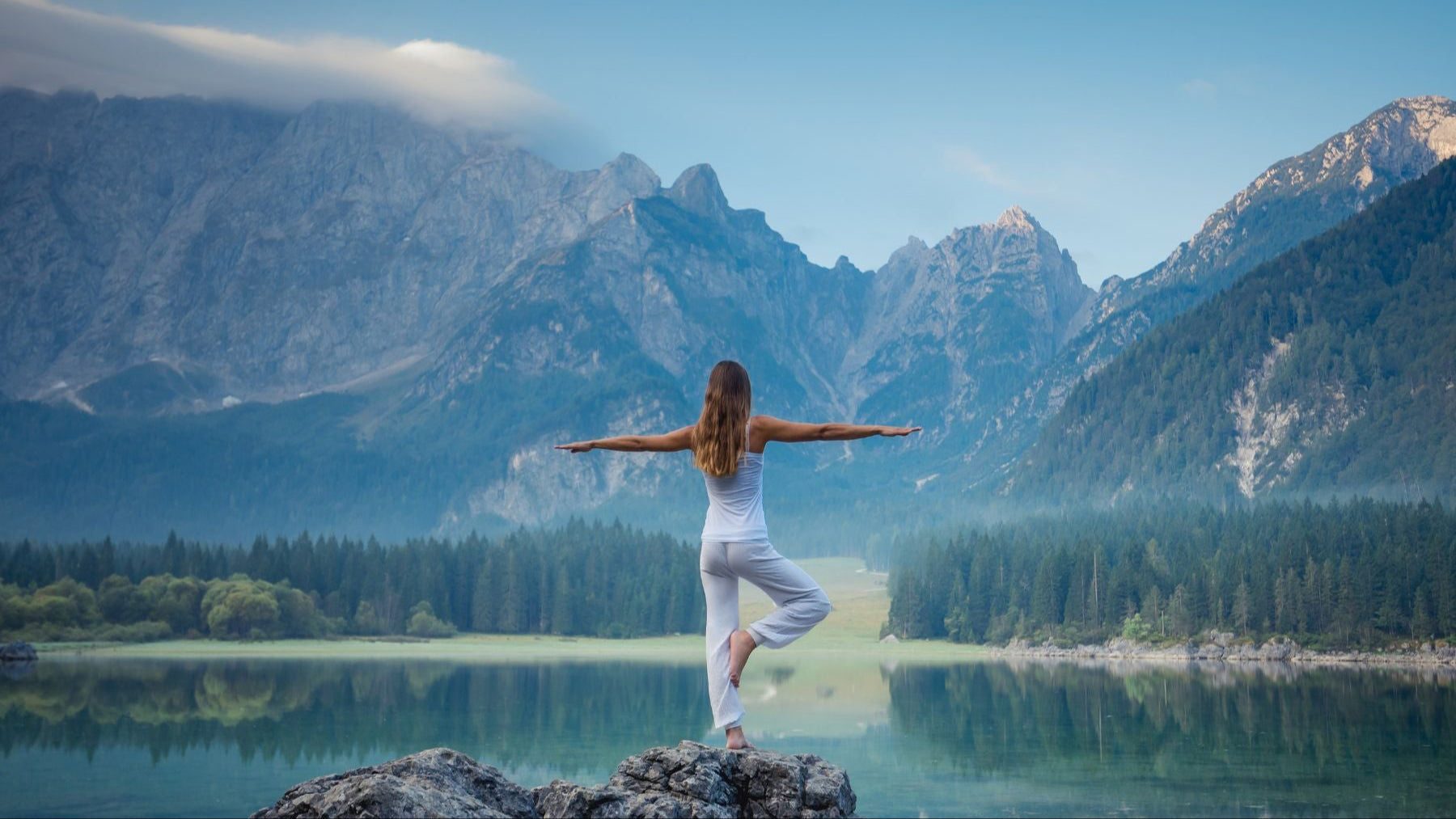

Vinyasa Yoga is often described as the dance of yoga. It’s fluid, rhythmic, and alive—each movement guided by breath, each posture seamlessly linked to the next. Unlike more static styles, Vinyasa is about transitions as much as it is about the poses themselves. One inhale lifts you up, one exhale folds you forward, and before you realize it, you’re in a moving meditation where body and breath flow as one.
What makes Vinyasa so compelling is its adaptability. It can be fiery and challenging, heating the body and building endurance, or it can be slow and intentional, more like a gentle wave than a rushing river. Either way, it invites you to stay present, to listen, and to move consciously.
In this guide, we’ll explore the roots of Vinyasa, what makes it unique, its benefits, and how to practice it with intention.
What Is Vinyasa Yoga?
The word Vinyasa comes from Sanskrit: “vi” (in a special way) and “nyasa” (to place). Put together, it means “to place in a special way.” In practice, this refers to how we move the body with awareness, guided by the rhythm of the breath.
Vinyasa Yoga grew out of the Ashtanga tradition but evolved into a more creative, less rigid style. Unlike Ashtanga’s set sequences, Vinyasa flows can be endlessly varied. Teachers choreograph different transitions, sequences, and themes, which means no two classes are ever exactly the same.
At its heart, Vinyasa is about linking breath and movement. Inhale, extend. Exhale, fold. Inhale, open. Exhale, release. Each posture becomes a note in a larger song.

How Vinyasa Differs From Other Styles
The defining feature of Vinyasa is flow. While Hatha may hold poses longer and Yin encourages deep stillness, Vinyasa is about constant movement.
-
Breath as guide: Every movement is tied to either an inhale or exhale.
-
Transitions matter: The way you move between poses is as important as the pose itself.
-
Creative sequences: Unlike set-sequence traditions, Vinyasa is fluid. A teacher may design a practice around strength, heart opening, balance, or even a theme like courage or grounding.
-
Energy shifts: Classes can range from fiery and sweat-inducing to soft and meditative, depending on the pace and intention.
This makes Vinyasa incredibly versatile. It can meet you wherever you are—whether you need intensity, release, or mindful movement.
The Philosophy of Flow
Beyond the physical practice, Vinyasa carries a deeper philosophy: impermanence. Just as no two breaths are the same, no two flows are identical. The practice mirrors life’s constant change. By linking breath with movement, you train yourself to stay present in transitions, not just destinations.
This teaches resilience, adaptability, and mindfulness—qualities that carry off the mat and into daily life.
Benefits of Vinyasa Yoga
Vinyasa offers a full-spectrum practice that touches body, mind, and energy:
-
Builds strength and endurance through repeated flows like Sun Salutations.
-
Improves flexibility with dynamic movements that open the whole body.
-
Supports cardiovascular health—faster-paced classes can feel like moving meditation and cardio combined.
-
Enhances focus as you synchronize movement with breath.
-
Reduces stress by creating rhythm and presence, quieting the chatter of the mind.
-
Boosts creativity and expression—since sequences are not fixed, there’s room to explore.
-
Balances energy by shifting from effort to release, from heating flows to cooling postures.
Whether practiced in a sweaty studio, outdoors, or at home, Vinyasa adapts and meets you where you are.

Core Elements of Vinyasa Practice
Like any yoga style, Vinyasa is more than poses. Its power lies in a few key principles:
1. Breath (Pranayama)
The foundation of Vinyasa is Ujjayi breath, often called “ocean breath.” Inhaling and exhaling through the nose with a soft constriction in the throat creates a steady rhythm that powers the flow.
2. Sun Salutations (Surya Namaskar)
Nearly every Vinyasa practice builds from Sun Salutations. These repeating sequences warm the body, link breath with movement, and create the rhythm for the practice.
3. Transitions
The “in-betweens” are vital. How you move from Warrior to Downward Dog matters as much as the shapes themselves. This mindfulness transforms practice into meditation.
4. Flow State
With repetition and breath awareness, the practice becomes almost trance-like. This “flow state” is where movement, breath, and focus align seamlessly.
A Typical Vinyasa Class
While every teacher has their own style, most classes follow a structure:
-
Centering: Beginning with breath awareness or gentle stretches.
-
Warm-up: Often through Sun Salutations to prepare the body.
-
Flow sequences: Standing poses, balances, and transitions guided by breath.
-
Peak poses: A challenging posture woven into the sequence.
-
Cool down: Forward folds, hip openers, or twists.
-
Savasana: Final relaxation, allowing body and mind to absorb the practice.
The pace can vary—some classes are powerful and sweaty, while others are slow and mindful.
Five Foundational Vinyasa Poses
If you’re new, start with these core postures. They’re the building blocks of most sequences:
-
Downward-Facing Dog (Adho Mukha Svanasana): A grounding inversion that stretches and strengthens.
-
Chaturanga Dandasana: A low plank that builds arm and core strength.
-
Upward-Facing Dog (Urdhva Mukha Svanasana): Opens the chest and strengthens the spine.
-
Warrior II (Virabhadrasana II): Cultivates strength, balance, and focus.
-
Tree Pose (Vrksasana): A simple yet powerful balance that teaches stability and presence.
These poses, linked with breath, become the foundation of the flow.
Is Vinyasa for Everyone?
Vinyasa is accessible but can be intense. Beginners may find the pace challenging at first, while advanced practitioners can push deeper into creativity and strength.
Props, modifications, and mindful pacing make it adaptable for all levels. If you prefer slower, more restorative practice, Vinyasa may not always be your daily choice—but it can balance beautifully with Yin, Hatha, or meditation.
Why Practice Vinyasa Yoga?
Because it’s alive. Vinyasa reminds you that yoga isn’t just about stillness—it’s about moving with life, with breath, with awareness.
It strengthens and softens. It challenges and restores. It teaches that transitions matter, on and off the mat. And perhaps most importantly, it shows that presence is found not in holding on, but in flowing forward.
Flow Into Presence
Vinyasa Yoga is practice as poetry—movement linked with breath, rhythm linked with awareness. Whether you seek strength, flexibility, or simply a way to quiet the mind, Vinyasa offers a pathway. It’s not about the poses you achieve but about how you move through them, how you breathe through them, how you let them shape you.
So roll out your mat, tune into your breath, and let your body write its own rhythm. Flow is where yoga becomes life.
Explore Other Styles of Yoga: