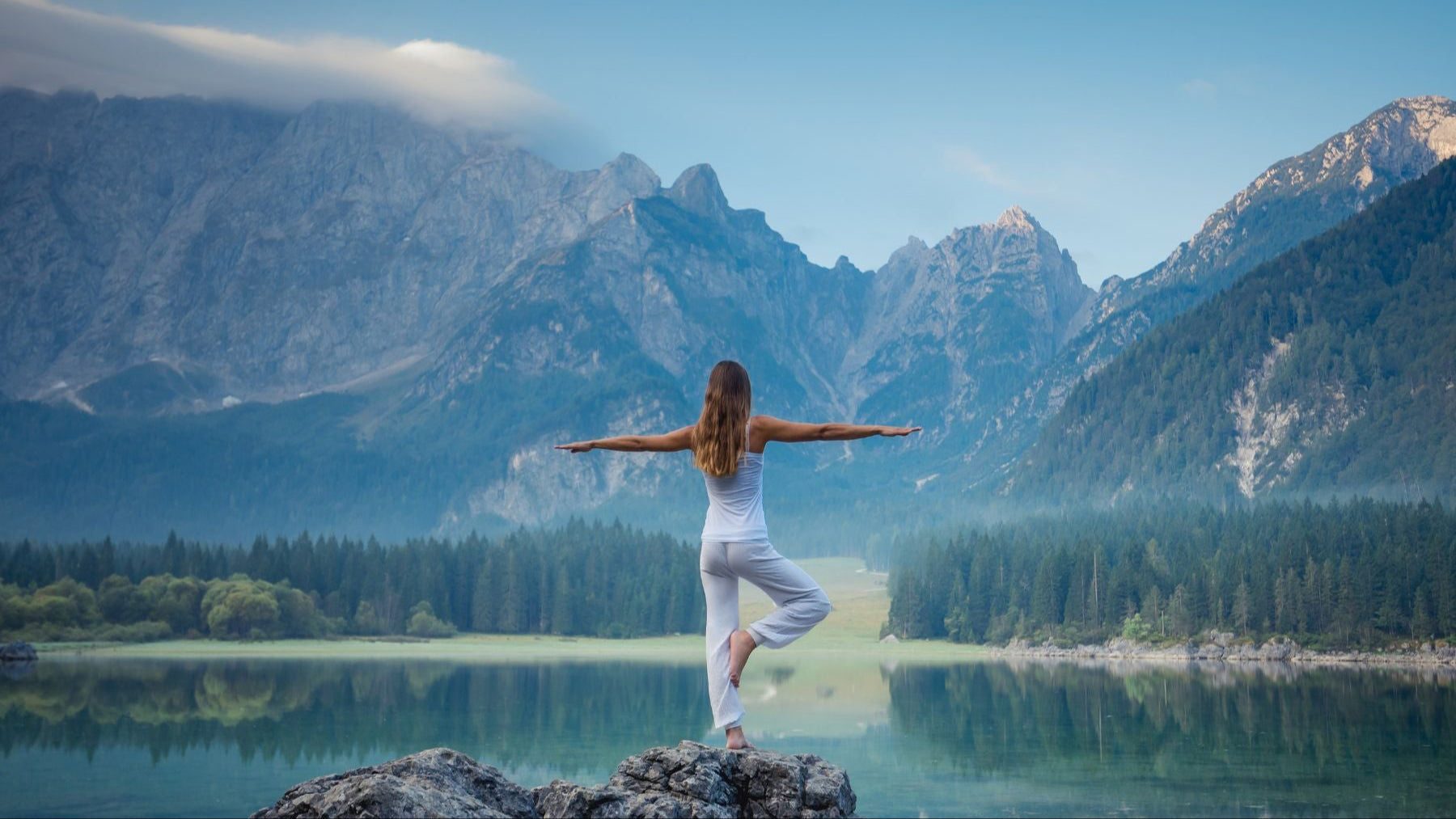

In a world that glorifies speed, productivity, and constant output, the art of true rest often feels forgotten. Yet without rest, the body can’t recover, the mind can’t focus, and the nervous system never gets the chance to reset. Restorative Yoga is the antidote. Unlike more active styles, it invites you to slow down, use props for full support, and linger in stillness long enough for the body and mind to release tension at the deepest levels.
Restorative Yoga isn’t about stretching, sweating, or striving. It’s about surrender. Think of it as the yoga of healing rest—a practice that reminds us we don’t always need to do more; sometimes the most powerful thing is simply to be.
What Is Restorative Yoga?
Restorative Yoga is a slow, therapeutic style of yoga designed to calm the nervous system and encourage the body to return to its natural balance. Postures are typically held for five to 20 minutes with the support of props such as bolsters, blankets, straps, and blocks. Unlike Yin Yoga, which targets connective tissues with gentle stress, Restorative Yoga removes muscular effort altogether. The body is positioned so it can fully let go, encouraging a deep state of relaxation.
At its heart, Restorative Yoga is about creating the conditions for healing. By supporting the body in comfortable positions, the practice quiets the fight-or-flight response and activates the parasympathetic nervous system. This shift allows digestion, repair, and rejuvenation—things the body can’t prioritize when constantly under stress.

The Origins of Restorative Yoga
While yoga itself is thousands of years old, Restorative Yoga in its modern form was developed in the 20th century. B.K.S. Iyengar, the founder of Iyengar Yoga, pioneered the use of props to help students of all ages and abilities access postures safely. His approach inspired Judith Hanson Lasater, one of his students, to formalize Restorative Yoga as a practice specifically focused on relaxation and healing.
Since then, Restorative Yoga has become an integral part of many yoga studios, teacher trainings, and wellness programs. It’s also used in hospitals, therapy settings, and rehabilitation programs as a complementary practice to support physical and mental health.
The Principles of Restorative Yoga
Restorative Yoga is deceptively simple. Lying in supported positions may look easy from the outside, but its effects are profound. A few key principles define the practice:
1. Comfort is Essential
Every pose is supported with props to eliminate muscular strain. If you’re not fully comfortable, the body can’t release.
2. Stillness is the Practice
Once you’re set up in a pose, you remain still. Movement keeps the nervous system alert; stillness signals it’s safe to rest.
3. Time Unlocks Release
The poses are held far longer than in other styles—usually 10 to 20 minutes—because the body needs time to shift out of stress mode and into rest mode.
4. Breath Guides You
Gentle, natural breathing (sometimes with simple breath awareness techniques) anchors the mind and deepens relaxation.
5. Less is More
A full class may include just four or five poses. The goal isn’t to do more but to experience each pose fully.
Benefits of Restorative Yoga
The benefits of Restorative Yoga extend well beyond the mat. Consistent practice supports both physical health and emotional well-being.
-
Nervous System Reset: Activates the parasympathetic nervous system, reducing stress and anxiety.
-
Improved Sleep: Encourages deep rest and helps reset circadian rhythms for more restorative sleep.
-
Pain Relief: Gentle positioning can ease chronic pain by reducing tension and calming the body’s stress response.
-
Enhanced Healing: By lowering cortisol and encouraging rest, the body has more resources for repair and recovery.
-
Mindfulness & Presence: Stillness cultivates awareness of sensations, thoughts, and emotions without judgment.
-
Accessible for All: Restorative Yoga is gentle enough for beginners, seniors, and people recovering from illness or injury.
Restorative Yoga vs. Other Styles
It’s easy to confuse Restorative Yoga with Yin or gentle Hatha, but the differences matter.
-
Vinyasa Yoga: Dynamic, flowing sequences that build heat and strength. Restorative is the opposite: still, quiet, and cooling.
-
Yin Yoga: Targets connective tissues by holding postures at the edge of sensation. Restorative avoids any strain and focuses on comfort.
-
Hatha Yoga: Balances postures, breathwork, and meditation but still involves active engagement of muscles. Restorative removes effort completely.
Each style has value, but Restorative Yoga is uniquely focused on healing through profound rest.

Props You’ll Need for Restorative Yoga
Props are not optional in Restorative—they’re the heart of the practice. They create the conditions for ease and support so the body can let go.
-
Bolsters: Long cushions used to support the spine, legs, or torso.
-
Blankets: For warmth, cushioning, and gentle weight.
-
Blocks: To raise props to the right height or support the body directly.
-
Straps: To keep the body secure without effort, e.g., holding legs together.
-
Eye Pillows: To block light and signal relaxation to the nervous system.
If you don’t own yoga props, everyday household items—pillows, towels, or books—work just as well.
Core Restorative Yoga Poses
Here are five classic poses to give you a taste of the practice. Each can be held 10–20 minutes:
-
Supported Child’s Pose (Balasana)
A bolster or folded blankets support the torso, allowing the back body to soften and the breath to deepen. -
Reclined Bound Angle Pose (Supta Baddha Konasana)
Props under the knees and spine support the hips and chest, opening the heart while calming the nervous system. -
Supported Forward Fold (Paschimottanasana variation)
The torso rests on a bolster placed over extended legs, allowing the spine to release. -
Legs-Up-the-Wall Pose (Viparita Karani)
A gentle inversion that drains lymph, soothes the legs, and resets circulation. -
Savasana (Corpse Pose) with Props
Blankets, bolsters, and eye pillows create ultimate comfort, making rest effortless.
The Science of Rest
Modern research supports what yogis have known for centuries: deep rest heals. Studies show restorative practices can:
-
Lower heart rate and blood pressure.
-
Reduce levels of cortisol and adrenaline.
-
Improve heart rate variability, an indicator of resilience.
-
Support immune function by reducing chronic stress load.
-
Improve mood and lower symptoms of anxiety and depression.
Restorative Yoga gives the body the environment it needs to do what it does best—heal itself.
When to Practice Restorative Yoga
Restorative Yoga fits beautifully into almost any lifestyle. You might practice:
-
Before Bed: To release tension and prepare the body for sleep.
-
During Stressful Times: To reset the nervous system when life feels overwhelming.
-
After Travel: To ground and recover from jet lag or long days.
-
Post-Workout: To balance intense physical activity with deep rest.
-
Weekly Ritual: Many people dedicate one evening a week to a longer restorative session.
Even 15 minutes a day can make a difference.
Tips for a Restorative Practice at Home
-
Set the Space: Dim the lights, use soft music or silence, and ensure you won’t be interrupted.
-
Gather Props First: Have everything ready so you can stay in stillness.
-
Stay Warm: Rest lowers body temperature, so use blankets.
-
Use a Timer: So you’re not tempted to check your phone.
-
Transition Slowly: After each pose, pause and notice the effects before moving.
The goal is not to achieve anything—it’s simply to rest and notice.
Who Is Restorative Yoga For?
The beauty of Restorative Yoga is its universality. It’s ideal for:
-
Beginners who feel intimidated by faster classes.
-
Athletes who need balance for recovery.
-
People with chronic illness, fatigue, or injury.
-
Stressed professionals seeking mental calm.
-
Anyone longing for stillness in a busy life.
There’s no flexibility requirement, no fitness level, no competition. Just rest.
The Power of Rest
Restorative Yoga reminds us that slowing down isn’t laziness—it’s medicine. In stillness, the body repairs, the mind clears, and the spirit reconnects with itself. It’s a practice of radical self-care in a culture that rarely gives permission to pause.
So roll out your mat, stack your props, and let yourself melt into the quiet. Restorative Yoga is an invitation to return home to yourself—soft, steady, and whole.
Explore Other Styles of Yoga: