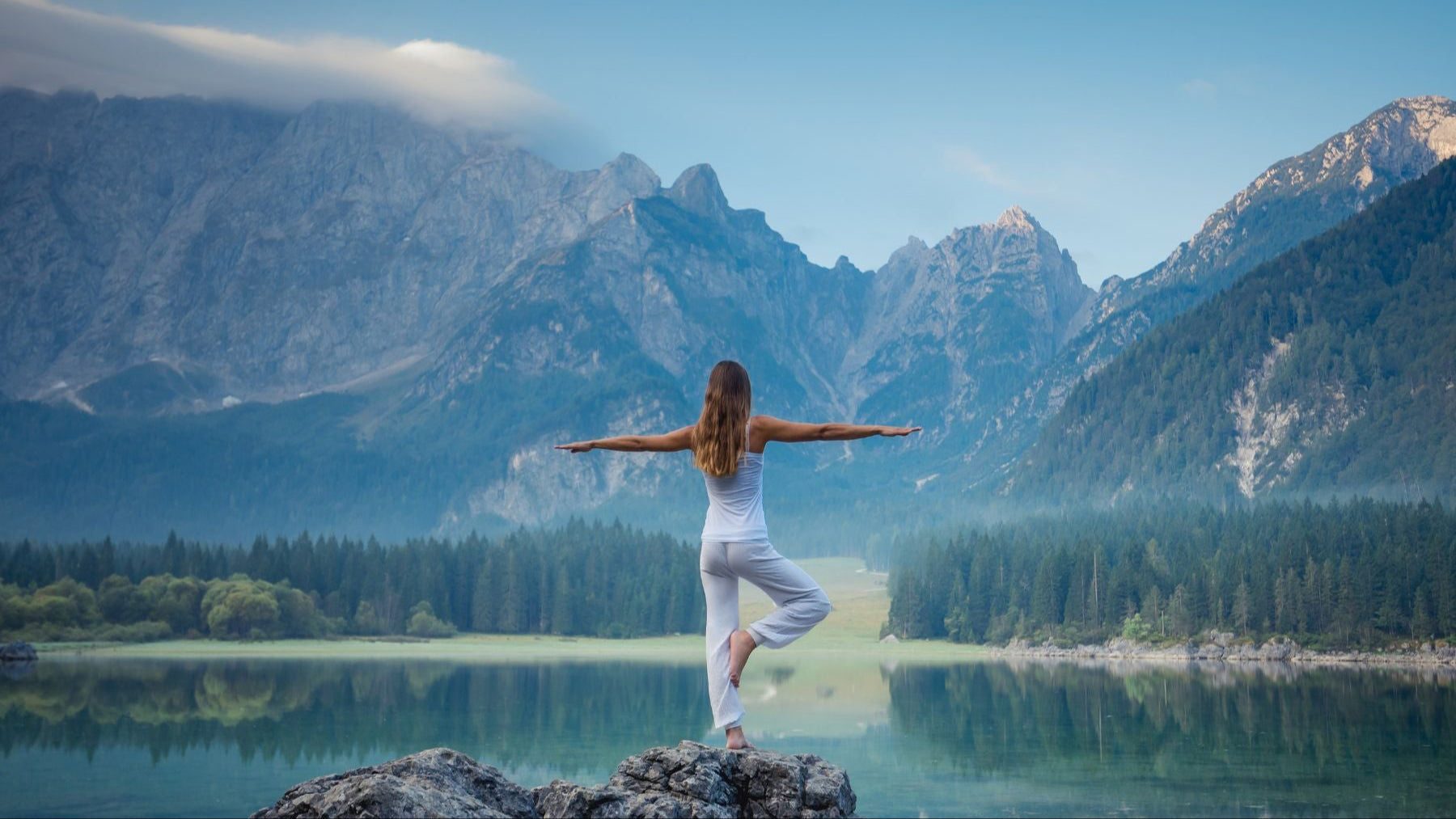

In a world that rarely pauses, Hatha Yoga offers something rare: balance. It isn’t about intensity or speed—it’s about harmony. Rooted in centuries of tradition, Hatha is one of the oldest forms of yoga, designed to unite body, breath, and mind. Unlike fast-flowing practices, Hatha slows you down, giving space to align posture, refine breath, and build steady strength.
Hatha is often described as the foundation of all yoga. Many modern styles trace back to it, from Vinyasa to Power Yoga. But Hatha itself is timeless—a steady, grounding practice that reminds us yoga is not only about moving but also about being. Whether you’re new to yoga or seeking to reconnect with its roots, Hatha offers a clear path toward balance, clarity, and peace.

What Is Hatha Yoga?
The word Hatha comes from Sanskrit: ha meaning “sun,” and tha meaning “moon.” Together, they represent balance—the dynamic and the restful, the active and the receptive. Hatha Yoga is a system of physical postures (asanas), breathing techniques (pranayama), and meditation practices designed to bring these opposites into harmony.
Traditionally, Hatha was developed as a preparation for meditation. By strengthening and purifying the body, practitioners could sit for long periods with focus and ease. Today, Hatha remains both accessible and powerful: it strengthens, relaxes, and restores while cultivating awareness.
In most modern classes, a Hatha practice is slower-paced than Vinyasa but more active than Yin. Poses are usually held for several breaths, allowing time to refine alignment and deepen awareness of both body and mind.
The Philosophy Behind Hatha
While many know Hatha as a physical practice, its roots are deeply philosophical. Classical texts like the Hatha Yoga Pradipika (written in the 15th century) describe it as a discipline to awaken and balance subtle energies.
At its core, Hatha is about preparing the body as a vessel for higher awareness. The balance of “sun” and “moon” energy is symbolic of harmonizing our active, fiery qualities with our calm, cooling ones. Through posture, breath, and focus, Hatha becomes not just exercise but a practice of alignment—with yourself and with life.
This philosophy is what makes Hatha so adaptable. It can be practiced gently for restoration, or more dynamically for strength. Its purpose is balance, and balance looks different for everyone.
How Hatha Differs From Other Yoga Styles
It’s easy to get lost in the wide landscape of yoga styles today—Vinyasa, Ashtanga, Bikram, Yin. Where does Hatha fit?
-
Pace: Hatha is slower than flow-based styles. Instead of moving quickly between postures, you pause, breathe, and refine alignment.
-
Accessibility: Because it’s steady and adaptable, Hatha is often recommended for beginners. But that doesn’t mean it lacks depth—experienced practitioners return to Hatha for grounding and refinement.
-
Focus: Hatha balances effort with ease. It’s not about pushing into extremes but finding steadiness in each posture.
-
Breathwork: While all yoga involves breath, Hatha often includes dedicated pranayama practices, making it more explicitly focused on the connection between breath and energy.
Think of Hatha as the root system: strong, steady, feeding everything else.
Key Elements of a Hatha Practice
A Hatha class may vary by teacher or tradition, but several core elements appear again and again:
1. Asanas (Postures)
The physical poses of Hatha develop strength, flexibility, and balance. From standing poses like Warrior II to seated stretches like Forward Fold, each posture is held long enough to build awareness and stability.
2. Pranayama (Breath Control)
Breathing is central in Hatha. Techniques like Nadi Shodhana (alternate nostril breathing) calm the nervous system, while Kapalabhati (breath of fire) energizes. Learning to regulate breath teaches control of energy and emotions.
3. Meditation and Relaxation
Hatha often closes with meditation or savasana (corpse pose). These moments allow the body and mind to absorb the practice, leaving you refreshed and clear.
4. Alignment and Awareness
Unlike more fast-paced styles, Hatha gives time to check posture, notice subtle shifts, and stay mindful. It’s as much about inner awareness as outer form.
Benefits of Hatha Yoga
Hatha’s beauty lies in its balance—it strengthens as it softens, energizes as it calms. Here are some of the ways it supports both body and mind:
-
Improves Flexibility and Strength: By holding poses with control, Hatha builds steady strength while gently lengthening muscles.
-
Supports Joint Health: The slow, deliberate movements protect joints and improve mobility.
-
Reduces Stress and Anxiety: The combination of breath, movement, and stillness activates the parasympathetic nervous system, lowering stress and calming the mind.
-
Enhances Focus: Time spent in each posture trains concentration and presence.
-
Boosts Energy Balance: Breathwork and postures work together to balance energy flow, leaving you both grounded and energized.
-
Improves Posture and Alignment: The mindful pace allows you to refine form and correct imbalances in the body.
-
Supports Meditation: By calming the body and nervous system, Hatha prepares you for deeper meditation.

A Typical Hatha Yoga Sequence
To give you a sense of what Hatha feels like, here’s an example of a beginner-friendly sequence:
-
Centering and Breath Awareness – Begin seated or lying down, tuning into your breath.
-
Cat-Cow Stretch – Gentle spinal warm-up, linking breath and movement.
-
Mountain Pose (Tadasana) – Finding grounding and alignment.
-
Standing Forward Fold (Uttanasana) – Lengthening the spine and hamstrings.
-
Warrior II (Virabhadrasana II) – Building strength and focus.
-
Triangle Pose (Trikonasana) – Opening the side body and improving stability.
-
Seated Forward Fold (Paschimottanasana) – Calming the nervous system.
-
Bridge Pose (Setu Bandhasana) – Strengthening back and opening the chest.
-
Seated Twist (Ardha Matsyendrasana) – Supporting digestion and spinal mobility.
-
Savasana – Rest and integration.
A session might also include pranayama and meditation, depending on the teacher.
Hatha Yoga and Modern Life
Why does Hatha remain so relevant in today’s world? Because balance has never been more necessary. Modern life is yang-heavy: fast, busy, demanding. Hatha introduces yin qualities: stillness, breath, awareness.
It’s also versatile. Hatha can be practiced gently for restoration, or more vigorously for strength. It’s a tool for athletes, professionals, parents—anyone seeking balance and clarity.
Practiced regularly, Hatha becomes more than a workout. It’s a ritual of tuning in, grounding, and aligning with yourself amidst the noise of daily life.
Tips for Starting a Hatha Practice
If you’re new to Hatha, here are some simple ways to begin:
-
Start Slow: Even 20 minutes a few times a week can create noticeable shifts.
-
Use Props: Blankets, blocks, or straps make postures more accessible and comfortable.
-
Focus on Breath: Let your breath guide your pace. If you’re straining, ease back.
-
Consistency Matters More Than Intensity: Hatha is about steady practice, not performance.
-
Listen to Your Body: Never force. Hatha invites presence, not pushing.
Why Hatha Yoga Matters Today
The heart of Hatha is balance—something our modern lives desperately need. It teaches that strength is not just in pushing harder but also in knowing when to soften. It shows that mindfulness doesn’t always require silence; it can be found in the deliberate alignment of body and breath.
More than anything, Hatha reminds us that wellness is holistic. It’s not only about physical health but about harmony—body, mind, and spirit working together.
Hatha: Rooted in Balance
Hatha Yoga is not flashy or fast, and that’s its power. It’s the steady root beneath modern styles, the practice that brings us back to basics: breath, alignment, awareness. Whether you’re beginning your yoga journey or looking to deepen it, Hatha offers a clear, grounding path.
Roll out your mat. Breathe deeply. Move slowly. In the quiet balance of Hatha, you’ll discover not just poses, but presence.
Explore Other Styles of Yoga: